
MP Materials: The "New Cold War" has a winner, and it is located in Mountain Pass, California.
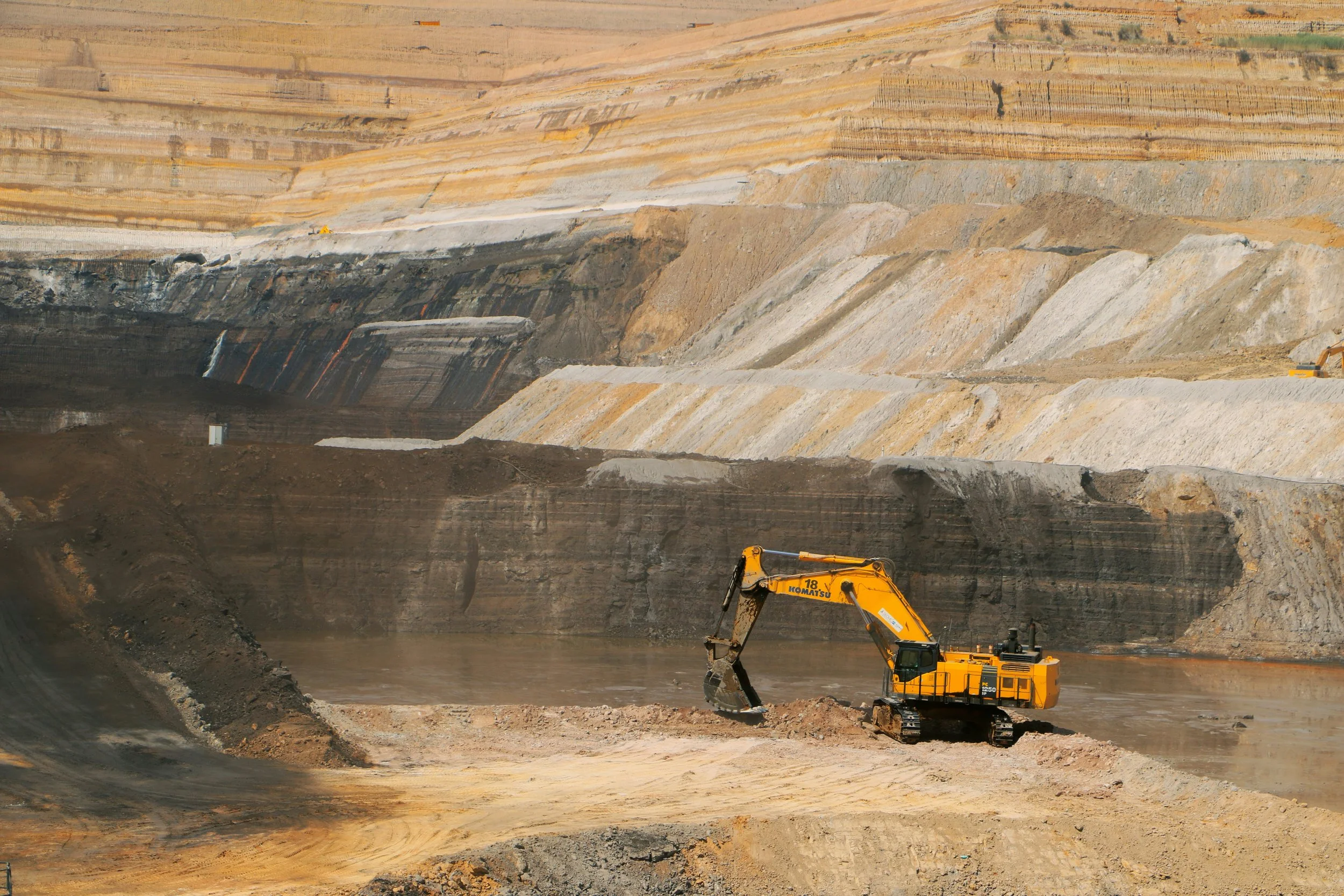
Photo by Abdul Basit on Unsplash
MP Materials Corporation (MP) has navigated a major strategic transition with its reduced reliance on the Chinese rare earth supply chain and the establishment of a long-term partnership with the United States Department of Defense. The company stopped selling most of its concentrate to China as part of its efforts to build an integrated domestic supply chain, aligning with broader U.S. policy goals to reduce dependency on Chinese processing and manufacturing. MP Materials entered into a public-private partnership with the Department of Defense in July 2025 that includes a price floor commitment for neodymium-praseodymium (NdPr) oxide set at $110 per kilogram over ten years, and additional offtake provisions that aim to provide stable cash flow and expanded production capacity. The DoD agreement also makes the U.S. government the company’s largest shareholder through the purchase of preferred stock and warrants. These terms change MP’s revenue and risk profile by providing downside protection through the price floor and by supporting financing for expanded production and magnet manufacturing capacity.
With the Independence facility in Texas now producing NdPr metal and ramping toward scaled magnet output in 2026, MP is moving closer to being the only vertically integrated rare earth magnet producer in the Western Hemisphere that encompasses mining, refining and metal production domestically. MP operates the Mountain Pass rare earth mine in California, which is the only active rare earth mining and processing operation of its kind in the United States. The market continues to focus on near-term earnings that are affected by the transition from selling simple concentrate to selling separated products and finished metals, rather than fully valuing the longer-term cash flow visibility implied by the DoD price floor and offtake arrangements. The reduction in low-margin concentrate sales has shown up as lower near-term revenue in quarterly financials while MP scales its downstream operations.
Key Catalysts (12 to 24 Months)
Q1 and Q2 2026 Earnings: These are expected to be the first reporting periods to meaningfully reflect the economic impact of the Department of Defense NdPr price floor and the reduction of low-margin concentrate sales. Reported realized pricing per kilogram should increasingly diverge from spot market indices as contracted pricing and downstream sales mix improve.
Mid-2026 Heavy Rare Earth Commissioning: Commissioning of Dysprosium and Terbium separation capability at Mountain Pass is expected to begin in mid-2026. This would enable domestic production of heavy rare earth inputs required for high-performance commercial and defense-grade magnets, positioning MP to participate in higher-margin segments of the rare earth value chain.
Magnet Customer Announcements: Additional magnet offtake agreements beyond the initial General Motors contract would validate demand for output from the Independence facility and support the planned expansion toward approximately 10,000 metric tons of annual magnet capacity.
Saudi Joint Venture Progression: Further disclosure of definitive agreements related to the Ma’aden joint venture would validate MP’s strategy of international expansion through technology licensing and downstream partnerships rather than direct capital-intensive ownership.
Risks and Kill Criteria
Execution Risk at Independence: Risk that the magnet manufacturing facility fails to achieve consistent high-yield sintering and scaling. Kill Criteria: Failure to ship commercial magnet volumes by Q4 2026 or sustained yield losses exceeding 15 percent in metal-to-magnet conversion.
China Retaliation Risk: Potential export restrictions on heavy rare earth feedstock or processing equipment prior to MP achieving domestic self-sufficiency. Kill Criteria: Inability to source Dysprosium or Terbium feedstock for more than six months prior to or during early commissioning of the heavy rare earth separation facility.
Geopolitical Policy Risk: Risk of revocation, renegotiation, or weakening of the Department of Defense price floor agreement due to changes in administration or budget priorities. Kill Criteria: Cancellation of the agreement or downward revision of the $110 per kilogram NdPr floor mechanism.
Technological Substitution Risk: Risk that major OEMs accelerate a shift toward ferrite or reduced rare earth magnet technologies, lowering NdPr demand growth. Kill Criteria: Global NdPr demand contraction for two consecutive quarters driven by substitution rather than cyclical factors.
Cost Escalation Risk: Inflation in reagents, energy, or labor that erodes the effective margin supported by the price floor. Kill Criteria: Sustained cash costs per kilogram of NdPr exceeding $60, materially compressing the protected margin spread.
Company Overview
MP Materials owns and operates the Mountain Pass rare earth mine and processing facility in California, the only rare earth mining and processing operation of scale currently operating in North America. The company is executing a staged strategy to rebuild a domestic permanent magnet supply chain in the United States, supported by public sector partnerships and downstream manufacturing investments.
Business Model and Segment Breakdown
MP operates a vertically integrated model intended to capture value across the rare earth supply chain, progressing from mining through separation and ultimately into metal and magnet manufacturing.
Upstream (Mining and Beneficiation):
Activity: Mining bastnaesite ore and processing it into rare earth concentrate.
Operational Status: Mature and operationally optimized, representing the most stable cash generating component of the business.
Strategic Shift: Historically, MP sold a substantial portion of its rare earth concentrate to Shenghe Resources in China for downstream refining. Beginning in mid-2025, the company significantly reduced and effectively ceased routine concentrate sales to China, retaining feedstock for internal processing as domestic separation capacity expanded. This transition reduces exposure to low-margin concentrate sales and supports downstream value creation, though it also introduces short-term revenue volatility during the ramp period.
Midstream (Separation and Refining):
Activity: Refining concentrate into separated rare earth oxides, primarily Neodymium-Praseodymium oxide.
Operational Status: Ramping. In Q3 2025, MP reported record NdPr oxide production of approximately 721 metric tons, representing a significant year-over-year increase as separation utilization improved.
Economics: NdPr oxide production benefits from the Department of Defense price floor agreement, which provides downside price protection for qualifying volumes. While internal transfer pricing supports downstream integration, realized economics still depend on ramp efficiency, operating costs, and contractual volumes rather than spot pricing alone.
Downstream (Metals and Magnetics):
Activity: Production of rare earth metals, alloys, and finished NdFeB magnets.
Facilities:
Mountain Pass Heavy Rare Earth Separation: A dedicated facility for Dysprosium and Terbium separation is under construction at Mountain Pass, with commissioning targeted for mid-2026. These elements are critical inputs for high-coercivity magnets used in electric vehicles and defense applications.
Independence Facility in Fort Worth, Texas: This site houses metal making and magnet manufacturing operations. Rare earth metal production has reached commercial operation, while magnet manufacturing remains in trial and early ramp phases, with commercial shipments expected during 2026.
Revenue: Downstream operations generated approximately $21.9 million in revenue in Q3 2025, reflecting early commercial sales of metal and precursor products rather than full-scale magnet output.
Asset Quality and Value Chain Position
Mountain Pass is widely regarded as one of the highest-quality rare earth assets outside of China, with characteristics that support a structurally competitive cost position.
Ore Grade: The Mountain Pass ore body averages approximately 7 to 8 percent total rare earth oxide content. This compares favorably with other leading global deposits such as Mount Weld and exceeds the grade of many Chinese operations, where grades are often lower and mineralogy more complex. Higher grades generally translate into lower processing intensity and reagent consumption per unit of output.
Mineralogy Advantage: Mountain Pass hosts bastnaesite ore, which is chemically simpler to process than monazite-dominated deposits common in several competing projects. Importantly, bastnaesite at Mountain Pass contains minimal radioactive thorium, reducing regulatory, environmental, and waste handling complexity relative to monazite-based operations.
Infrastructure and Utilities: The site operates with integrated infrastructure including a combined heat and power facility and a closed-loop water system. These features reduce exposure to external energy and water constraints and provide operational resilience within California’s regulatory and utility environment.
Industry and Competitive Dynamics
The rare earth industry is increasingly shaped by geopolitical considerations rather than purely by supply and demand dynamics. A bifurcated market structure is emerging, characterized by Chinese domestic pricing and a developing premium framework for non-Chinese supply chains that prioritize security, traceability, and resilience.
Market Size and the “New Cold War”
China controls a dominant share of global rare earth separation and magnet manufacturing capacity, commonly estimated at approximately 80 to 90 percent depending on product category. This concentration has become a focal point of geopolitical tension, with industry leaders and policymakers increasingly framing the situation as a strategic competition over industrial inputs critical to energy transition and defense supply chains.
Demand Drivers: Structural demand growth is driven by electrification of transport, wind energy deployment, robotics, and automation. A typical electric vehicle uses approximately 1 to 2 kilograms of rare earth permanent magnets depending on motor design, while a large offshore wind turbine can require several hundred kilograms of rare earth magnet material. Growth in robotics, automation, and AI-related infrastructure further increases demand for high-efficiency electric motors that rely on NdFeB magnets.
Supply Constraints: Outside of China, there is currently very limited commercial-scale capacity to separate and process heavy rare earth elements such as Dysprosium and Terbium, which are required for high-temperature and high-coercivity magnet applications. This constraint is expected to persist until new facilities, including MP’s heavy rare earth separation capability targeted for 2026, become operational. As a result, heavy rare earths represent a strategic chokepoint in the Western supply chain.
Pricing Power and the Department of Defense Floor
A defining feature of the 2025 to 2026 rare earth market is the divergence between spot pricing in China and realized economics for producers operating under government-backed pricing frameworks.
Market Pricing in China: NdPr prices in China are largely influenced by state quotas, domestic industrial demand, and policy interventions. Prices declined sharply from approximately $120 per kilogram in 2022 to around $50 per kilogram in 2024 before recovering to roughly $70 to $75 per kilogram by late 2025. This volatility has historically constrained investment and capital formation for independent rare earth producers.
Realized Pricing for MP Materials: MP benefits from a Department of Defense price protection agreement that establishes a floor price of $110 per kilogram for qualifying NdPr volumes. When market prices fall below the floor, the agreement compensates MP for the difference, subject to contractual terms and volume limits.
Upside Sharing Mechanism: When market prices exceed the floor, a portion of the upside is shared with the Department of Defense, reported to be approximately 30 percent for qualifying volumes under the agreement.
Strategic Implication: This structure functions as a form of sovereign price support, reducing downside exposure and stabilizing cash flows relative to spot market volatility. While operating costs and execution still matter, the price floor materially improves visibility and resilience compared with unsupported commodity producers.
Competitive Context: Lynas continues to face political and regulatory risk in Malaysia related to radioactive waste management associated with monazite processing, which has periodically affected its operating license. MP’s bastnaesite-based ore body avoids many of these challenges due to minimal radioactive content, providing a structural regulatory advantage. Energy Fuels, by contrast, remains primarily a uranium producer with emerging rare earth optionality, whereas MP’s strategy is focused on building a dedicated rare earth and magnetics platform.
Moat and Durability Assessment
MP Materials exhibits characteristics consistent with a wide economic moat, supported by a combination of geological quality, regulatory barriers to entry, and increasing alignment with U.S. government strategic objectives.
Moat Source 1: Geological Privilege
Mountain Pass is a rare, high-quality rare earth deposit distinguished by its high ore grade, averaging approximately 7 to 8 percent total rare earth oxide. This grade advantage supports a structurally lower cost position relative to other Western rare earth projects. During the Molycorp era, the mine itself was reported to be operating cash-flow positive at the site level even as the company ultimately failed due to capital structure, downstream execution issues, and market conditions.
The concentration of Neodymium, Praseodymium, and other light rare earths in the ore body enables more efficient beneficiation and reagent schemes compared with lower-grade deposits such as ionic clays or mineral sands. This geological advantage persists regardless of ownership or capital structure and underpins long-term cost competitiveness.
Moat Source 2: Regulatory and Permitting Barriers
Replicating a Mountain Pass-scale rare earth operation in the United States or Europe faces substantial regulatory and permitting hurdles. Greenfield rare earth projects in Western jurisdictions often require a decade or more to progress from discovery to production, particularly given environmental review, community engagement, and waste handling requirements.
MP benefits from being fully permitted, constructed, and operational, giving it a significant time-to-market advantage over potential competitors. While not an absolute monopoly, this permitting lead effectively limits the emergence of comparable domestic production for many years absent extraordinary policy intervention.
Moat Source 3: Sovereign Entrenchment
MP’s strategic importance has been reinforced by its partnership with the U.S. Department of Defense, which includes equity-linked instruments and a price protection agreement for qualifying NdPr production. This alignment meaningfully reduces downside risk relative to unsupported commodity producers and embeds MP within broader national security and industrial policy objectives.
In a scenario where Chinese producers engage in aggressive price suppression, MP’s exposure is partially insulated by the DoD price floor mechanism. For covered volumes, lower market prices would result in higher deficiency payments rather than direct margin collapse, limiting the effectiveness of predatory pricing strategies.
The primary risk to this moat would be material weakening, renegotiation, or cancellation of the DoD price protection framework. While political risk cannot be eliminated, bipartisan support for domestic critical mineral supply chains and the government’s financial involvement reduce the likelihood of abrupt policy reversal over the forecast horizon. The government’s role as both a customer and financial stakeholder creates a strong alignment of incentives around operational continuity.
Financial Quality and Earnings Power
MP’s 2025 financials are noisy due to the transition away from concentrate sales and the ramp of separated and downstream products. The cessation of concentrate sales drove a sharp reduction in Materials segment revenue in Q3 2025 and creates a temporary revenue gap until downstream volumes scale.
Earnings Quality and the Transition Trough
Revenue dynamics: Q3 2025 total revenue was $53.553M, down 15% year over year. Materials segment revenue was $31.641M, down 50% year over year, reflecting the July 2025 cessation of concentrate sales to China. Magnetics segment revenue (magnetic precursor products) was $21.912M in Q3 2025, bringing year to date Magnetics revenue to $46.964M.
EBITDA: Adjusted EBITDA was $(12.570)M in Q3 2025. The DoD Price Protection Agreement commenced Oct 1, 2025, so Q3 does not reflect the PPA’s quarterly mechanics.
Cost structure and mix: Moving from concentrate into separated products and metal increases per unit processing costs (notably reagents and labor), but it also shifts MP toward products covered by the PPA floor. For context on prior concentrate economics, Q3 2024 realized pricing on concentrate was about $4.425 per kg of REO (that is $4,425 per metric ton).
Balance Sheet Strength
Liquidity: As of Sep 30, 2025, MP reported $1.147B of cash and cash equivalents, $1.337M of restricted cash, and $793.217M of short term investments, for total cash, cash equivalents, and short term investments of $1.940B. Shares outstanding were 177,211,227, implying about $10.95 per share of total cash and short term investments at that date.
Debt and credit: MP had convertible notes due 2030 (3.00% notes issued in March 2024), remaining 2026 convertible notes shown as current portion of long term debt at Sep 30, 2025, and a $275M revolving credit facility entered in August 2025 with no borrowings outstanding at Sep 30, 2025.
DoD and related financing: The July 2025 DoD transaction package included $400M of Series A preferred stock (convertible at $30.03 into 13.320M shares) and a warrant for 11.202M shares, together equating to about 15% of MP’s shares outstanding as of July 9, 2025.
Capex and Funding Commitments
The current capex picture is best framed around committed buildout obligations rather than a single historical project budget. Under the DoD transaction agreements, MP committed (using reasonable best efforts) to expand Independence to a projected 3,000 metric tons of magnets annually and to commence construction of the second domestic magnet facility (“10X Facility”), among other items, and also agreed to use up to $600M of existing cash to fund these projects.
Risks and Downside
The “Sintering” Risk
Scaling sintered NdFeB magnet production is a demanding manufacturing process requiring tight control of powder metallurgy, sintering, machining, coating, and quality systems. Achieving target coercivity and temperature performance often relies on heavy rare earth additions or diffusion processes, commonly involving Dysprosium and or Terbium in high-performance magnet formulations.
Downside scenario: MP produces magnets that do not meet customer qualification standards, including those required for automotive programs, or experiences high yield losses that drive scrap rates and unit costs higher than planned.
Mitigation: The most credible mitigants are process discipline, staged qualification with customers, and the learning curve benefits of producing precursor products, alloy, and metal in-house. The GM relationship can support iterative qualification and specification alignment, but it does not remove the technical risk.
The “Geopolitical Peace” Risk
A reduction in US China trade friction could weaken pricing for domestically produced magnets if lower-cost Chinese magnets regain share in commercial channels. Even without a full thaw, competitive pressure can increase if Chinese producers expand exports or if trade enforcement weakens.
Mitigation: For NdPr economics, the DoD price protection framework provides downside support under its contractual terms. For magnets, the policy environment is also relevant. The United States finalized a Section 301 tariff increase on permanent magnets to 25% effective January 1, 2026, which raises the landed cost of Chinese-origin magnets and can support domestic pricing power at the margin.
Technical Risk: Heavy Rare Earth Separation
Separating heavy rare earths such as Dysprosium and Terbium is generally more complex than separating light rare earths such as Neodymium and Praseodymium, due to tighter chemical separations and more demanding flowsheets. A delayed or underperforming heavy rare earth circuit can constrain the ability to supply high-temperature magnet grades domestically.
Kill criteria: If the heavy rare earth separation capability is delayed by more than 12 months beyond target timing, MP may need to source Dy and Tb externally to support certain magnet specifications, which can pressure margins and weaken the strategic integration narrative, especially if external supply is constrained.
Conclusion
MP Materials can be framed as a growth company with a form of sovereign-linked downside support through the DoD price protection mechanism and related commitments. The market’s focus on the near-term disruption from reduced concentrate sales can obscure the intended transition toward higher-value separated products, metals, and magnets.
The $110/kg NdPr price floor is a central variable for qualifying volumes under the DoD framework, but it does not eliminate execution risk in downstream manufacturing and customer qualification. At a share price around $66 to $67 as of January 16, 2026, the debate is whether the company can translate contractual support and vertical integration into reliable magnet-scale earnings.
We give MP a $82 price target. This call is ultimately a wager on execution, qualification timing, and the durability of the policy framework that is now explicitly designed to expand non-Chinese magnet supply.
Disclaimer: This content is provided for informational and educational purposes only and does not constitute financial, investment, legal, accounting, or tax advice. The views and opinions expressed are those of the author and do not necessarily reflect the views, policies, or positions of any other individual, organization, employer, or institution.
This document represents an independent research thesis and reflects a macroeconomic and industry-focused perspective as of January 2026. It is not intended as, and should not be construed as, a recommendation or solicitation to buy, sell, or hold any security, commodity, or financial instrument. References to specific companies, assets, or sectors are included solely for analytical and illustrative purposes.
All investments involve risk, including the potential loss of principal. Forward-looking statements are inherently uncertain and subject to change based on market conditions, regulatory developments, and other factors. Past performance is not indicative of future results.